
Innovación: El Seguro de Vida de las Empresas

En un entorno empresarial cada vez más dinámico y desafiante, la innovación se ha convertido en el verdadero seguro de vida para las organizaciones. Sin embargo, aún persiste una visión escéptica: se percibe como una apuesta incierta, difícil de justificar por sus resultados en el corto plazo.
Este escepticismo se alimenta de experiencias aisladas, donde los éxitos suelen atribuirse a golpes de suerte o intuiciones esporádicas.
Al ser rápidamente replicados y superados por otros, se refuerza la idea de que invertir en innovación no garantiza retorno inmediato.
Pero en realidad, el mayor riesgo es no innovar. En un mundo donde las ventajas competitivas se desvanecen con rapidez, solo la innovación sistemática —basada en procesos, talento y tecnología— permite sostener relevancia, diferenciación y crecimiento sostenible.
¿Qué es realmente innovar?
Innovar es convertir nuevas ideas en realidad, generando valor y posicionando mejor a la empresa en su mercado. Este proceso se sustenta en el talento creativo de las personas y en los sistemas de apoyo que permiten transformar la inspiración en resultados concretos.
La innovación no es solo creatividad: es ejecución estratégica, alineada al propósito organizacional y al entorno competitivo. Es la capacidad de anticiparse, adaptarse y evolucionar con sentido.

¿Que innovar?
Innovar no es solo imaginar: es crear, mejorar o proveer un aporte significativo que transforme un producto, servicio o proceso. Ese aporte debe generar valor real, diferenciación competitiva y relevancia en el mercado.
La innovación efectiva se traduce en soluciones concretas que responden a necesidades, optimizan recursos y elevan el impacto organizacional. No se trata de hacer algo nuevo por el simple hecho de innovar, sino de agregar sentido, utilidad y posicionamiento.
¿Quien Innova?
Durante años, las empresas han confiado en pequeños equipos para observar al cliente e investigar el mercado, esperando que de ahí surjan las grandes ideas. Pero este enfoque tradicional ya no es suficiente.
Invertir en I+D no garantiza innovación ni éxito empresarial. De hecho, muchas de las compañías que más invierten en investigación no son reconocidas por su capacidad innovadora.
La verdadera innovación no debe depender de unos pocos. Debe ser un proceso colectivo, donde todos los miembros de la organización participen activamente. El rol del liderazgo es clave: crear un entorno que fomente la creatividad, la libertad de expresión y el pensamiento disruptivo.
¿Cuando Innovar?
Durante años, las empresas han confiado en pequeños equipos para observar al cliente e investigar el mercado, esperando que de ahí surjan las grandes ideas. Pero este enfoque tradicional ya no es suficiente.
Invertir en I+D no garantiza innovación ni éxito empresarial. De hecho, muchas de las compañías que más invierten en investigación no son reconocidas por su capacidad innovadora.
La verdadera innovación no debe depender de unos pocos. Debe ser un proceso colectivo, donde todos los miembros de la organización participen activamente. El rol del liderazgo es clave: crear un entorno que fomente la creatividad, la libertad de expresión y el pensamiento disruptivo.
¿Como Innovar?
Para que la innovación ocurra de forma sostenida, es necesario construir un entorno interno que la favorezca. Esto implica:
- Integrar la innovación en la cultura y visión organizacional.
- Fomentar capacitaciones que desarrollen la creatividad y el trabajo colaborativo.
Además, es clave abrirse al mercado y conectar con el cliente no solo para vender, sino para comprender sus comportamientos, emociones y necesidades futuras. Las redes sociales son herramientas poderosas para este fin, siempre que se utilicen estratégicamente.
Toda innovación debe alinearse con las capacidades reales de la empresa. Identificar el segmento de mercado adecuado y evaluar la rentabilidad de cada iniciativa es esencial para evitar esfuerzos improductivos.
Finalmente, vigilar la competencia —tanto grandes actores como start-ups emergentes— permite anticipar disrupciones. Muchas de las innovaciones más impactantes han surgido desde abajo, superando incluso a líderes consolidados.
Creatividad: El Origen de Todo
La creatividad no es patrimonio exclusivo de genios; es una capacidad presente en cada persona. Es la habilidad de generar ideas nuevas durante una actividad, combinando imaginación y talento para crear soluciones originales.
Innovación: De la Idea a la Transformación
Innovar no es un evento aislado, sino un proceso sistemático. Se trata de moldear productos, servicios o procesos a través de mejoras consecutivas, alineadas con las necesidades del mercado y las capacidades de la empresa.
Gestión de Ideas: Participación que Genera Valor
La innovación se fortalece cuando se promueve la participación activa. La gestión de ideas implica invitar a profesionales —internos y externos— a aportar propuestas que luego se evalúan, seleccionan e implementan para generar resultados concretos.
Herramientas, Metodologías & Partners
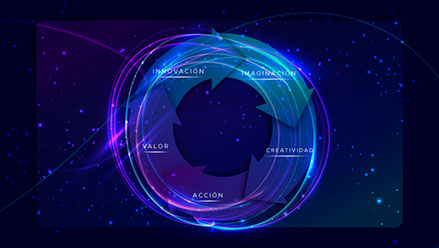
Gente Creativa Facilita La Innovación
Ayudamos a despertar la creatividad en el personal. La creatividad debe abordarse como un proceso, donde el desarrollo de la creatividad emana como resultado de reacciones interconectadas en el proceso.
Desarrolla una Cultura de Creatividad & Innovación
Impulsa la creación de productos y servicios que los clientes realmente adorarán. Atrévete a tomar un camino diferente, uno que los consumidores querrán seguir.
Sistematizar la Innovación para Lograr Resultados
Pon en movimiento todo el conocimiento, experiencia y talento de tu ecosistema de innovación. La clave está en convertir la creatividad en procesos estructurados, capaces de generar valor de forma sostenida y medible.
Innovar no debe ser un acto aislado, sino una práctica sistemática que involucre a todos los actores relevantes, alineada con los objetivos estratégicos de la organización.